Sunday, 10 October 2021

Ecommerce Packaging: How to Prevent Product Loss

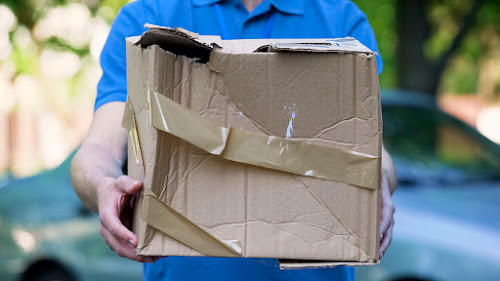
Have you ever had a package arrive and find that something is missing? It's no fun, and it happens to everyone. One of the easiest ways to protect your products from loss during shipment is with ecommerce packaging. In the world of ecommerce, it is important to do everything you can to protect your product from loss. Whether this is by shipping quickly or with careful packaging, there are many ways that a business can reduce its chances of losing revenue due to product damage. Below are ways of preventing product loss through ecommerce packaging.


Using the appropriate type of packaging

When you are purchasing packaging, it can be tempting just to use the cheapest option. Doing so, however, doesn't account for the volume of product that your business is sending out or how fragile it might be. The wrong type of package can subject your products to unnecessary damage and loss. Packages that are made with high-quality materials often provide the best protection.

Taking the time to pick out strong, resilient materials can help prevent damage during shipment. Using too much packaging material, such as bubble wrap and styrofoam peanuts, can lead to waste that doesn't help protect your goods. 


Find the right-sized packaging for all your products

Choosing too much or too little packaging can reduce the protection that your product receives in transit. When selecting the right size and shape for your ecommerce packaging, it is important to consider the weight of each package, the dimensions of your products, and the fragility of your goods (how fragile are they?). Using an excessively large package to ship a light product will not only waste money on the packaging itself, but it could also subject your product to more damage in transit if it is moved around too much. 


Ensure shipments are properly labeled

In ecommerce it is vital that you have a system in place when it comes to shipping your products. One of the easiest ways to ensure that packages don't get lost in transit is labeling them properly. In addition, utilizing a unique identifier for each unique product or batch of products can help you track items even if they are sent separately. 


Get shipping insurance

In the event that a package does arrive with damage to your product, it is important to have an insurance policy in place. Shipping insurance can help reimburse you for damaged goods during transit and provide coverage against theft or loss of product if a package does not arrive at its destination. It is worth noting that the cost of shipping insurance may be greater than the actual cost of your product, but it can help you avoid large losses if something happens to go wrong.


Rely on sustainable packaging


Once you are aware of the damages that can happen during transit, it is important to reduce your chance of loss by using sustainable packaging. Packaging made from recycled materials, biodegradable plastics, and other materials can not only protect your product but also help keep waste out of landfills. We have seen continued growth in eco-friendly packaging options for the last decade. Businesses that continue to improve their packaging to create a sustainable system can help move us in the right direction when it comes to protecting our planet and its resources.


The above tips are simple ways that you can utilize when working to prevent package loss during shipment. Ecommerce packaging doesn't have to be difficult, and these ideas provide a good place for any business to get started with protecting their goods.


Thursday, 19 July 2018

Importance Of Custom Product Packaging For Your Business


The impact of custom product packaging can be significant, given that you designed and tweaked it right. Even though custom product packaging may seem like a major investment upfront, it can return big, especially if you are an e-commerce brand. With the help of product packaging, you can encourage your customers to choose your brand for the future. Even better, they may start sharing the delivery of your product over social media.

With e-commerce giants like Amazon and eBay claiming a significant market share, it becomes necessary for a small brand to create attractive packaging designs to show up in the consumers’ radars.

Subscription box industry


Product packaging design holds a key value in the subscription box industry. According to Mckinsey and Company, subscription boxes retain a significant appeal for young people who look for convenience and personalization when buying what they need.

The ages of subscribers range from 25 to 44 years, and they usually reside in the northeastern US urban areas. Their monthly incomes range between $50,000 and $100,000.

Several big companies such as Wal-Mart, Amazon, Lancome, and Sephora have also jumped on the subscription box bandwagon.

The impact of custom product packaging

How your custom product packaging impacts your customers determines the next step they take on your brand. Here are some numbers and stats to prove that the best appearance of your product packaging will contribute to increased sales.

  • According to a 2013 E-commerce Packaging Survey report, about 40% of consumers are likely to share the picture of a good-looking product packaging over social media.
  • A plain-looking or sloppy box will contribute to a reduction in your sales. About 78% of online customers will trust a brand that takes a fair bit of time to custom design the packaging for their products.
  • According to a Facebook poll, 84% will more likely to buy a product with premium packaging. However, 16% say that the packaging doesn’t really matter.


Keeping up with your customer

Customers have every right to buy, or not to buy, a product. That means if you want to increase your sales, you have to convince your customers. It is possible only by keeping up with your customers.

  • The Flexible Packaging Association’s 2015 Brand Value Study suggests that 80% of brand owners acknowledge the positive influence of the product packaging.
  • Businesses using premium packaging enjoy a 30% increase in consumer interest in their brands.
  • According to the MidAtlantic Packaging, 59% of shoppers under the age of 45 consider chic packaging as the top-ranked selling point.

Sustainable packaging

The appearance of your packaging is not everything your customers care about. The possible impact of its materials on the environment can make or break your sales.

A 2018 State of the Packaging Industry Report says that 57% of consumers cared about the sustainability and recyclability of their purchased products. The same report shows that 60% of respondent companies are shifting to sustainable packaging practices.

Remember, a successful custom product packaging benefits the business, market, and customers in several dimensions. You have to look at your packaging approach from different angles to make sure you move in the correct direction.

Thursday, 7 June 2018

Winning Customer Loyalty With Custom Subscription Boxes


The concept of online shopping was not much prevalent a decade ago. The rise of the internet and social media has changed the way people shop. No matter what product you want, you can buy it online. Many brands accept orders online and dispatch products based on those orders.

If you are an online business, you have to keep in mind that your inability to meet your customers makes it even more necessary to get creative with the brand-building process.

The subscription box industry

The concept of subscription boxes was nonexistent until five years ago. However, with the market growing up to 890% in 2014, large and small businesses had to use creative methods to address their consumers’ requirements. One of those creative methods is selling subscription boxes.

In 2018, there were around 3,500 subscription box services operating in the US. The growing number of subscription services led to the introduction of the new term “subscription economy”. The number of these services continues to grow with the growth of digital buyers.

Why do customers subscribe?


The answer to 'why customers subscribe' lies in the types of subscription services. Three types of services are curation, replenishment, and access.

Curation is the most popular subscription service, with 55% of subscription box customers choosing this option. With the help of this option, customers get new products that match their preferences. Products range from clothing to cosmetics to beauty items.

Replenishment services comprise 32% of the e-commerce subscription market. This area deals with the same monthly items.

Subscribers of Access-based subscription services make 13% of the respective market. Those subscribers pay a monthly fee to get member-only perks, particularly in the apparel and food categories.

According to some reports, 60% of subscribers are women. However, men usually acquire more multiple subscriptions at a time.

Why do customers might lose interest?

Subscribers may choose to cancel their subscription services for several reasons. Some of those reasons are the following.

  • They do not consider the box as something essential.
  • They do not get what they are expecting.
  • The box is usually overpriced.

Some reports suggest that customers are not too concerned about the price. Instead, they expect a better experience every time they get a box.

What do customers look for?

In this case, it is not just about what is inside the box. According to most brands and marketers, the overall experience matters as much as the contents inside the box. The purpose is to keep the customers engaged.

According to a market research company Global Web Index, the number of conscious consumers has risen significantly. 61% of those consumers said that they were more than willing to pay for a service that promises the environmental benefit with its product packaging.

Paying attention to the packaging

The packaging holds as much value as the product inside it. That is especially true for e-commerce subscription boxes. Your customers want to be valued, and there is no better way to ensure it than customizing your product packaging. It also includes assuring your customers that your product packaging is not detrimental to the environment.

Friday, 23 February 2018

Worst Time To Buy A House

Well I have the absolute worst luck in the world right now. Recently, I got a really nice job offer from a company out in California. Now normally, being from the midwest, California is the absolute last place that I would ever want to move to. California is notoriously where the scum of American resides, and has perhaps the highest cost of living other than places like Washington D.C. and New York City. Well, the problem was that this isn’t just some run-of-the-mill job offer that can easily be turned down. This job offer was from basically my dream company to work as my dream job. In my profession, this company is where people go who are the best of the best. Like basically, if you’ve made it to this company, you have basically made it in life. That means that I had to think long and hard about turning this offer down, and ultimately I decided that I would move out of Indiana and venture over to California and face the problems that will come. This job is just not something that I can turn down; plus, I can always move back to the midwest down the road if things don’t work out in California or work out with the new company I’ll be working at. So now I have to start the worst process that absolutely everyone hates: moving.


That’s right, I have to pack up my entire apartment and move to California by myself. Not only is moving hard when you’re on your own, but trying to buy a house or apartment right now is like slamming your head in the door of a car. I mean, houses are going like hotcakes all over the country, and California is especially bad. So basically, I’ve determined I’ll be paying about 30% more for whatever place I buy than what I would have 3 years ago. This is super annoying and a great inconvenience, but I suppose it could be worse. The good part is that my starting salary at my new job is way higher than what I’m making right now, so I’ll be able to afford quite a bit more for myself than what I would at my current job. And I have faith that everything will workout, even if things don’t look particularly good at the moment. 


The annoying part about this whole thing is that I have absolutely no motivation whatsoever to start packing all my stuff. I already ordered some big collapsable shipping boxes online that I will use to start packing my stuff. To be honey, though, I feel like I won’t have the motivation to pack even when those shipping boxes get here. California is also going through one of the hottest heat waves on record at the moment, and I am not feeling particularly excited about being a part of that. All in all I still think I am excited to get going and start my new job, but I’m not super excited about the moving process in general. I think I will be hiring a moving company since I’m having to do this all on my own - there is no way that I would be able to get all of my stuff packed up and moved over to California all by myself.


Thursday, 9 November 2017

How to Choose Between Single-Wound Shrink Film VS Centerfold Shrink Film

If you ever have to choose a type of shrink film for your company’s packaging needs, this article will help you choose what to purchase. After your research on the internet you have learned there are two common types of shrink film. Single-wound and centerfold shrink films.


 The goal of this article is to provide you with the best information about these two types of shrink films so you can make an informed decision. There will be a different factors to consider before making your choice. What are the capabilities of your machine, are there any production or quality guidelines to follow, and what is the desired appearance of the product?


What is single-wound shrink film?


 The single-wound shrink film is frequently used in the packaging of numerous kinds of consumer goods. The film can be purchased on a flat sheet wrapped around a cardboard core. Another name for single-wound film is flat or single-layer films. There are different sizes of single-wound films available in the commercial markets. The choices include 35 gauge to 150 gauge. The length of the roll will determine the gauge of the film. The choices for length include 3,500 to 15,000 feet. The different widths available range from 6 inches to 58 inches.


 The different applications for the single-wound shrink film range from side sealers to L-bar sealers. The use of the single-wound shrink film in the sealer will involve the machine placing the three seals on the trailing edge, leading edge, and one of the sides. The lap seal uses static or electric sealing to hold together the multiple overlapping layers. 


What is centerfold shrink film?


 The centerfold shrink film receives its name because of the way it is formed on the roll. The centerfold film is folded in half lengthwise and then formed onto the roll. When this film is utilized it will unfold from a 20 inch width to a 40 inch unfolded width. There are different sizes of centerfold films available in the commercial markets. The choices include 35 gauge to 150 gauge. The length of the roll will determine the gauge of the film. The choices for length include 1,750 to 8.750 feet. The different widths available range from 6 inches to 58 inches.


 The different applications for the centerfold shrink film range from side sealers to L-bar sealers to a tabletop machine. The use of the centerfold shrink film in the sealer will involve the machine sealing the front, the sides, and the back of the film before entering the heat tunnel. Depending on the needs of your company, the shrink film can be purchased in either full pallet load quantities or individual rolls of centerfold shrink film.


 The last factor to consider before you decide, is how do you want your product to look on the shelf in the store? This is dependent on where the machine places the seal on the shrink film. Do you want the seal to show or be hidden? If you want a lap seal then the single-wound film will be what you want. If you want a three-sided seal then you can choose either centerfold or single-wound shrink film. After reading this article, we hope this information has been helpful in the decision between centerfold shrink film or single-wound shrink film. 


Saturday, 10 June 2017

Tips for Moving Houses

If you clicked on this article, it means it is probably moving time for you in the near future. Hey, we’ve all been there. I have had several significant moves in my life, and each one added a whole lot of stress to my life. Not only that, I felt like I did not have a lot of knowledge about the ins and outs of moving at the time and therefore struggled to work around smaller issues and such. I wanted to take the time to create this short article talking about moving and how you can do a few simple things to make the whole process a lot smoother. I hope this information is helpful to you!


First off, it is important to think about packing. Packing is hard, especially when you have to pick up your entire life and move it somewhere else. Packing is made even more difficult by the fact that you are packing things you use in your everyday life. Coming up with a packing schedule is super helpful in this way. It’s important to know what items you are going to have to pack and when; that way, you can plan ahead in advance which things are going to be packed last. Let’s say, you use your blender and tea kettle every morning at breakfast. This is a good example of something that should probably be packed last, but you definitely need to remember to pack them. Coming up with a schedule and list for packing is really important in this way! Another tip is that you will need lots of packing supplies and materials. Large shipping boxes work great for clothes, blankets, and other various items. Shipping boxes, preferably some sort of cardboard, will hopefully keep your items safe and secure while you’re moving. 


Another tip is to make sure you make a moving budget. Moving is expensive, especially when factoring in the price of a moving company, different supplies, travel costs, transportation, and all these other things. It adds up quickly! Especially if you are transitioning to a new job, finances can be a huge stress at this stage of life. My suggestion is that you come up with a realistic moving budget, and then do everything in your power to stay under that budget. This will obviously differ from person to person or family to family, but if you have a financial planner or mentor of some kind it may be helpful to get into contact with him or her.


A final tip that I have is to hire a moving company if you can afford it. It is definitely possible to do all the moving yourself, but this adds a whole lot of unnecessary stress onto you and can be extremely time consuming. Instead, given that it fits your budget, it may be beneficial to hire a team of movers that can assist with the loading and transportation of your belongings. You should note that not all moving companies are a great service, so it’s important to do some research beforehand to know what you’re getting into. Feel free to get quotes from a couple different places, compare prices, reviews, and certifications to make sure you are getting the best deal you can find. As long as you’re staying under budget! Hope this helps!


Thursday, 4 May 2017

The Smallest Upgrade That Transforms Your Shipping Operation

Every warehouse has a bottleneck somewhere. Maybe it’s in packing, maybe it’s in stacking, maybe it’s in damage control after a shipment gets crushed. But in nearly every case, that bottleneck has one thing in common—it starts with the box. The box decides how fast your line moves, how many returns you process, and how your brand looks the moment a customer opens their order. It might be the smallest item on your purchase list, but it has the biggest effect on how everything else performs.

Low-quality boxes cause more slowdowns than most managers realize. They collapse under pressure, require double taping, and take longer to build. Every extra step your team has to take to reinforce a weak box costs time and breaks flow. Those seconds add up to minutes, and those minutes multiply across every order you ship. Stronger, well-sized boxes eliminate those problems before they start. They fold cleanly, tape easily, and hold their shape without fuss. That’s efficiency built into the materials themselves.

Choosing the right shipping box isn’t just about size—it’s about structure. A double-wall corrugated box made from recycled materials can carry heavier loads, stack cleaner, and survive longer storage. Boxes like these aren’t just stronger; they’re smarter. They reduce rework, protect products better, and cut waste. When your materials hold up, your workflow stays in rhythm. No more stopping to fix crushed corners or grab a second box.

The environmental advantage makes the business case even stronger. Modern recycled corrugated boxes are designed to perform, not just check a sustainability box. They’re lighter to ship, easier to recycle, and built with a tighter grain for strength. By switching to these materials, companies see measurable savings in freight costs and waste disposal fees. And because sustainable packaging resonates with today’s customers, you gain goodwill without changing your marketing budget. A simple material upgrade can create a perception of care and professionalism that money can’t buy.

Efficiency extends beyond the warehouse floor, too. Carriers charge based on dimensional weight, so box sizing matters as much as box strength. Oversized boxes waste filler and inflate shipping costs. By standardizing around smarter box sizes that match your most common product dimensions, you reduce waste and lower freight expenses immediately. It’s one of those invisible fixes that feels small but pays off every day.

Don’t overlook presentation either. Your box is the one part of your product every customer interacts with. A clean, well-built box that opens neatly sets the tone for everything inside. It signals organization, attention to detail, and care. Customers might not remember the tape or filler you used, but they’ll remember how the package looked and felt. And that impression is what drives repeat orders.

The bottom line is this: a strong, eco-friendly box isn’t just packaging—it’s process improvement. It’s cost control, brand marketing, and customer service wrapped into one. For the price difference of a few cents per unit, you gain hours of saved labor, fewer returns, and a sharper reputation. The smallest upgrade in your operation might be the one that holds it all together. Start with the box, and you’ll be surprised how quickly everything else starts running better too.

Thursday, 13 April 2017

Alternatives to Plastic to Try

If you’re looking at this, chances are you’ve heard of the plastic packaging tax that’s being brough to the UK. It was started on April 1st, 2022, and it’s something that causes those who use plastic to be charged a $200 fine for every ton of this. Even if you don’t make plastic, there is a chance that you’ll see this rise. This is in place for a reason. Typically, plastic takes a long time to break down, with plenty of animals killed every single year because of this, due to starvation and engagement, because of that, there are some people who wat to change his, and since there are microplastics which have been found in the blood of humans, it can cause cell damage as well. Between the growing costs and even consumer concern, there are a few reasons why people may not want to use plastic. So let’s look at the alternatives, shall we? 


Recycled Kinds 

The other obvious one is recycled packages, which is something that’s made from recycled material. There are some kinds of boxes that go up to 100% recycled, and it’s the best in eco-friendly packaging. The problem with this, however, is that it can be a little bit more expensive, but it definitely is something that pays in the long run. You can get single-walled types of make it more durable and compact, and you can also leave out the tape if you want to reduce your costs. They’re compostable, biodegradable, and recyclable. 


There are also book wrap mailers that are made out of totally recycled paper. They do come with a simplistic and effective means to protect everything as it goes into transit, and it has a multi-depth feature that offers a wide range of different products and measurements. Should customers want to return these, they can use the same packaging as well, and you don’t even need to use seals to adhere it. 

Compostable kinds 

What is the next step past recycled packaging? Compostable of course! The PPT doesn’t include anything that’s compostable in the rules, so what that means is that you will not be punished with this, and it reduces plastic consumption. You can get mailing bags which are compostable. they won’t be around forever and are great for small items including clothes and whatnot. 

The cool thing about these bags is you can put them in the ground, and they biodegrade within less than a year.  It can take minimally 3 months for it to get broken down. It not only cuts your costs so you’re not paying extreme taxes, but you’re also helping the world, so that’s indeed a no brainer. 


Most of these bags are made with cornstarch, so they can be composted, and are biodegradable. If you’re selling foodstuffs, there are now paper kraft sandwich bags, so you can use this, and it’s plant-based that lets you have customers that look at the contents that are in there. 

The PLA stands for polylactic acid, which is made from a renewable resource, including sugarcane and cornstarch, and this is something that’s a natural polymer, so you can compose this commercially. PLA packaging is great because it creates 65% less usage of energy compared to plastic, and it also emits far fewer greenhouse gases, and it does offer a variety of different options, so you can be green and clean. 

Biodegradable 

Biodegradable is different, as this is something that is made from materials that literally degrade with time. this is great because you can use it immediately, and it’s something that isn’t the same as compostable.


Sunday, 18 December 2016

Why this box held up

You pack an order, close the flaps, and send it on its way. It moves through trucks, conveyor belts, and stacks of other packages before finally arriving looking clean, strong, and exactly the way you packed it. No dents, no crushed sides, and everything inside still protected. Results like that do not happen by chance. They begin with choosing the right shipping box.

A good shipping box has one important job: keeping its shape while everything around it is pushing, pressing, and shifting. In transit, boxes are often stacked on top of each other, and the ones at the bottom carry the weight of everything above them. If a box cannot handle that pressure, the sides may cave in and the top may start to sink.

A strong box does the opposite. Its edges stay straight, its top stays flat, and that strength helps protect the item inside by keeping the pressure on the outside where it belongs.

The first step is selecting a box that matches the item you are shipping. Heavy items need a box strong enough to support their weight without bending, while lighter items can go in lighter boxes, as long as those boxes still hold their form during the trip.

Size matters just as much. A box that fits well helps keep the item centered and leaves room for padding to do its job. If the box is too large, the item can slide and bump around. If it is too small, there is not enough room to add protection.

When placing the item inside, it should feel supported on all sides. Padding should keep it from moving, and that padding works better when the box is the right size because it stays in place.

The corners of the box matter too, since they take a lot of pressure during stacking. Strong corners help the entire box stay stable.

Before packing, it helps to do a quick check by pressing on the sides and corners. If they feel firm, the box is more likely to hold up during shipping.

You should also look at how the box closes. The flaps should meet evenly and lie flat so the tape can create a secure seal. A clean seal keeps the box closed and helps it maintain its shape when pressure is applied.

After packing, one final check can make a difference. Lift the box and hold it for a moment. If it feels solid and keeps its shape when moved, you are on the right track.

Using the right shipping box is not about adding extra work. It is about making one smart decision at the beginning so everything else works better, from the padding inside to the way the box handles weight during transit.

In the end, the person opening the package sees the result: everything inside looking the way it should, with no damage and no mess, just a smooth delivery that feels right.

Wednesday, 11 May 2016

Commercial Shipping and Choosing Carriers

If you’re shipping out products, regardless of where it’s going, the cost of this is always at the forefront. You want to make sure that you get the best options, balancing the costs and the speed to meet the customer expectations. If you’re someone who is doing a business that involves shipping, you want to save on these costs, as many of these may not be bulk, and speed may not be a large factor. Sometimes, commercial shipping is the ay to go, and we’ll discuss a bit on what it is. 

What is It? 

This is basically business shipping, which is where you transport the B2B orders and goods to a retailor of choice. They are often a bit cheaper than those that are done for residential shipping since it’s less complex. There are different ways for you to use this, with many of them involving sending the goods to different businesses, a bulk shipping that’s heavily discounted. 

Some businesses will oftentimes send out big volumes of shipments to make sure that the shipping is lower for each item, making it more eco-friendly than regular shipping, or even international shipping as well, especially thought residential shipping. 

Most of these use what’s called freight shipping, where it gets loaded onto bigger containers, and are shipped through these methods. They may carried through land, air, and sea, and it can fulfill some orders. 

The Rates and Carriers 

With this, especially in bulk, the rates tend to be much shipper, and usually, the leading carriers oftentimes off bulk or commercial discounts for shipping. You do need to factor in the billable weight, the carrier, and the destination for delivery, along with the weight of the package and the times for delivery in a lot of cases too. 

For example, for USPS bulk shipping, if you want it to be in 102 days, it’s around $34 on average. But let’s say that you want to ship a blk order, and it’s a 2 pound order, you can get it for about $10, which is much cheaper. This is something that a lot of people look at, simply because it can be a much cheaper option. 

The best practices 

There are a few factors to look at whenever you’re choosing to ship commercial.First, you want to do your research, look at carries, and compare them so that you get your ide3al rate. Even just a couple dollars difference does make a difference in the long haul, especially if you’re shipping out a lot. 


You can also utilize a flat rate shipper so that you get the right shipping fees that don’t actually change all that much, which is deal for those that offer free shipping for their business. You want to also make sure that you’re constantly changing your shipping so that you’re reducing the shipping costs and take every opportunity that you can. For example, making sure that you put everything in a package that’s lightweight, strong, and has the optimal dimensions matters. 

You also will want to consider inventory centers, placed in a strategic manner to ensure that the turn times are a lot of frater. 


You also should make sure that you avoid a lot of the common packaging mistakes. Too much filer, too big of a box, all of those do play a part in this, as they can help you with ensuring that you get the right shopping. This also offers low shipping, but also product protection as they transport from place to place, which can make it better for a lot of long-time users and shipping.


Wednesday, 13 January 2016

Liquid Packaging Solutions for Fluid Shipments

Fluids are sometimes hard for you to ship. It can be hard for you to safely and securely put the fluids in the packaging. Being able to give your packaging the right protection for all sorts of fluid items is important.  Navigating such complexities is definitely something that you must do.

Secure shipments are also good because it reduces the returns, and also keeps everything aligned from the moment it leaves the factory to when it gets to the customer’s hands.

New Solutions for Liquids 

Liquids are getting so many unique solutions that you will enjoy.

Leak-proof seals are a good one to start.   Seals that aren’t able to be easily leaked is one that you should consider. 


Flexible pouches are another.   These pouches are also used to help move and shape the liquid inside. That way, when there are jostles, there’s less chances of it getting punctured and spilling open.

Speaking of spilling, shock-absorbent containers are also used. There might be stretch wrap around these liquid items, keeping them all neatly together. That way, if it hits a side or corner, it won’t jostle the item too much, and in turn, will prevent the item from dealing with too much shock as a result of these actions. 

Industries that use This 

Most of the time, anything that has a liquid to it will use this type of packaging.


Beverages are one of the most common, since you want to make sure it gets to the customer without spilling. That’s why the seals will create a tight area around the opening. When it’s broken, the person can drink it, but until it gets there, the cap keeps it closed

Cleaning products are another. Having these twist-tie seals will also help with ensuring that the chemicals don’t leak, and in turn, will prevent the item from spilling out. This is especially important when working with corrosive items.

Finally, cosmetics. Many companies are using these leak-proof seals to keep the liquid inside, and pouches that will move and change with the item. Some of these thick glass containers are also made in a manner where they’re not fragile, further protecting everything. 

Environmental Considerations 

One thing about some of these is that they aren’t as eco friendly as you expect. Some are made with single-use plastics, which creates a problem over time.

However, there are more companies looking towards recyclable or reusable liquid packaging. Using a glass c container for example will allow for you to have another opportunity. Aluminum and metal is also recyclable, with many companies  looking for ways to make this seamless for all involved. 

Future Innovations 

Obviously a lot of liquid packaging is focused on the seals. Some companies are exploring materials that are self-sealing, meaning that instead of a person putting the seal on, the seal itself is naturally made.


It can save the company a lot of time, especially if there is a large production line, and also will help to ensure that you’re not wasting time on this packaging either. 

The other unique trend that’s there is smart caps. These are caps that tell you important information. Freshness indicators are a common one, where you’ll find out how fresh the item is, or if the liquid inside has gone flat. Good if you’re buying soda and don’t want to lose the fizz! 

Overall there’s a ton of packaging options, and you’ll be glad to have these. Utilizing liquid packaging solutions means that you’re creating a more fluid packaging that will protect the liquid inside, so that it makes it to the next location without any issues or problems either.


Saturday, 5 September 2015

How Shipping Supplies Shape Reliability From Order to Delivery

Reliability is one of the most valuable traits a business can have. Customers want to know that when they place an order, it will arrive on time and in good condition. They want the process to feel predictable and smooth.

Shipping supplies play a major role in creating that feeling of reliability, even though they are rarely mentioned directly. The materials used to pack, seal, label, and protect orders influence how dependable a business appears from the moment an order leaves the warehouse.

When shipping supplies perform well, reliability feels effortless. When they fail, problems become visible very quickly.

Reliability Starts Before a Package Ships

Reliability does not begin with the carrier. It begins at the packing table.

If boxes are weak, tape does not hold, or labels are unreliable, the shipping process is already compromised before pickup occurs. Even the fastest delivery service cannot fix poor packaging decisions made upstream.

Strong shipping supplies create a stable starting point. Boxes hold their shape. Tape stays sealed. Labels remain readable. Each order enters the shipping network prepared for real-world handling.

This preparation reduces risk long before the package is in transit.

Consistency Builds Confidence

Customers experience reliability through consistency.

When orders arrive intact every time, customers feel confident ordering again. When experiences vary, trust erodes quickly. One damaged delivery can outweigh several successful ones.

Shipping supplies help create consistent outcomes. Using the same box strength, cushioning methods, tape quality, and labeling approach ensures that each order is packed to the same standard.

Consistency also benefits internal teams. Employees know what to expect and how to pack each order properly. This reduces mistakes and creates repeatable results.

Fewer Variables Mean Fewer Problems

Shipping environments are unpredictable. Packages are stacked, dropped, exposed to temperature changes, and handled by many people.

Shipping supplies cannot control these conditions, but they can reduce the number of variables that cause failure. Strong materials absorb stress. Secure seals prevent openings. Proper cushioning limits movement.

By choosing reliable supplies, businesses reduce the chance that outside factors will cause damage. Fewer failures mean fewer customer complaints, fewer replacements, and fewer interruptions to daily operations.

This stability supports long-term reliability.

Shipping Supplies Affect Perceived Professionalism

Customers judge professionalism through details.

A neatly packed box feels intentional. A clean label feels organized. A package that arrives intact feels trustworthy. These small signals shape how customers perceive the business as a whole.

On the other hand, damaged boxes, excessive tape, or sloppy packing suggest disorganization, even if the product inside is fine. Customers may hesitate to reorder if the delivery experience feels careless.

Shipping supplies influence these perceptions without ever being mentioned directly. They shape how professional the business feels at the door.

Reliability Reduces Customer Service Strain

Every shipping problem creates additional work.

Customer service must respond. Replacements must be sent. Inventory must be adjusted. Each issue consumes time and attention that could be spent elsewhere.

Reliable shipping supplies reduce the frequency of these problems. When products arrive intact, customer service interactions decrease. Teams spend less time resolving preventable issues and more time supporting growth.

Over time, this reduction in friction improves operational efficiency and employee morale.

Responsible Shipping Supplies Support Long-Term Stability

Many shipping supplies are now designed with responsible material use in mind.

Recycled and efficiently sourced materials can provide strength and durability without unnecessary waste. These supplies help businesses balance protection with thoughtful resource use.

Using responsible shipping supplies supports long-term stability by reducing excess materials, lowering shipping weight, and maintaining performance standards.

Reliability does not require overpacking. It requires choosing materials that perform consistently.

Shipping Supplies as a Reliability System

Shipping supplies are not isolated items. Together, they form a system.

Boxes, tape, labels, and cushioning work together to protect orders and guide them through the shipping process. When each component is reliable, the system functions smoothly.

When one component fails, the entire system is affected.

Investing in dependable shipping supplies strengthens the entire operation. Orders move with fewer interruptions. Customers receive what they expect. Trust builds naturally.

Reliability is not created by speed alone. It is built through consistent preparation, dependable materials, and attention to detail. Shipping supplies support all of these quietly, order after order.

```

Monday, 7 October 2013

Boxes should never be a gamble

Every shipment is a test. You seal the order, hand it off to the carrier, and wait. Will it arrive in one piece, or will the box collapse halfway through the trip? Too many businesses learn the hard way that weak shipping boxes turn every delivery into a gamble. Customers don’t see the effort you put into making the product—they only see the condition it’s in when it lands on their doorstep. And if that condition looks sloppy or damaged, the trust you worked to build is instantly at risk.

Strong shipping boxes remove the doubt. Picture a carton built with sturdy corrugated walls that resist stacking pressure, tape that stays locked down, and a structure that doesn’t bend underweight. Inside, fragile items sit snug with no room to rattle. The package doesn’t just arrive intact—it arrives looking professional, like it was cared for from the start. That impression is worth more than the product alone, because it tells the customer your brand values quality from the first click to the final delivery.


The hidden cost of weak boxes is steep. Every time one fails, you’re not just replacing a product—you’re replacing trust. Refunds cut into profit. Returns slow down operations. Negative reviews discourage new buyers. What looked like savings on cheaper boxes turns into lost revenue and lost loyalty. In the long run, the most expensive box is the one that didn’t protect the order.

Quality shipping boxes flip that script. Double-wall cartons carry heavy loads without buckling. Right-sized boxes reduce the need for filler and lower shipping costs. Corrugated designs absorb impacts, so products stay safe even when the journey isn’t gentle. Each feature works quietly, doing its job so you don’t have to think about it. The customer doesn’t praise the box—but they praise the experience of getting exactly what they ordered in perfect condition.


The impact goes beyond protection. Strong boxes speed up packing lines. Workers aren’t forced to reinforce weak seams with extra tape or hunt for filler to pad thin walls. Instead, they fold, seal, and move on, confident the carton can handle the trip. That efficiency adds up across dozens or hundreds of orders a day, making operations smoother and deadlines easier to meet.

Sustainability adds another advantage. Many shipping boxes today are made with recycled materials and can be recycled again after use. Customers notice. They see a business making responsible choices, and it builds goodwill that extends beyond the product itself. A sturdy, eco-friendly box doesn’t just protect items—it protects your brand’s reputation with buyers who care about more than convenience.


In the end, a shipping box isn’t “just a box.” It’s the armor that carries your reputation across miles of warehouses, trucks, and doorsteps. Weak boxes gamble with that reputation every time they leave your building. Strong boxes guarantee that the story customers tell about your business is one of reliability, care, and consistency.

So stop leaving deliveries up to chance. Invest in shipping boxes that never make you wonder, and never make your customers doubt. Because in the world of shipping, the box is more than packaging—it’s the promise that what matters to them matters to you.


Ecommerce Packaging: How to Prevent Product Loss

Have you ever had a package arrive and find that something is missing? It's no fun, and it happens to everyone. One of the easiest ways ...